
Jiaxin Wang & Qiyu Chen[1]
Asian American youth in the United States are navigating a complex set of challenges, shaped by both historical stereotypes and contemporary societal pressures. Although often labeled as a “model minority,” this perception oversimplifies their experiences and obscures the real difficulties they encounter. Beneath the surface of this seemingly positive stereotype lies a reality marked by discrimination, identity struggles, and subtle forms of exclusion.
This paper explores three major challenges faced by Asian American youth today. First, it examines how discrimination—both overt and subtle—manifests in educational settings, particularly within the college admissions process. Second, it delves into the identity crisis experienced by many young Asian Americans, who struggle to reconcile their cultural heritage with the pressures of assimilating into American society. Finally, it addresses the microaggressions and subtle biases that Asian American students face daily, often in ways that go unnoticed but have a cumulative psychological impact.
By investigating these interconnected issues, this paper aims to shed light on the unique struggles faced by Asian American youth and offers potential strategies for fostering a more inclusive and supportive environment.
Current Situation Analysis
Asian American youth today face a complex set of challenges as they navigate their lives in the United States. These challenges are shaped by both historical and contemporary biases, which manifest in their daily experiences. Although recent events like the COVID-19 pandemic have brought attention to the discrimination faced by Asian Americans, these struggles are deeply rooted in long-standing stereotypes and societal expectations.
One of the most significant challenges is the pressure to balance the cultural values of their families with the demands of mainstream American society. Asian American students often feel caught between the two, trying to uphold their heritage while also attempting to fit into a culture that may not fully accept them. This balancing act can lead to a sense of alienation and disconnection, as they are expected to navigate two worlds that sometimes feel at odds with one another.
In addition to these cultural tensions, Asian American youth also experience subtle forms of discrimination in school settings and beyond. These microaggressions—whether in the form of seemingly harmless comments or assumptions about their abilities—reinforce feelings of otherness and exclusion. For many, the model minority myth adds another layer of pressure, as they are often expected to excel academically and adhere to certain stereotypes, limiting their ability to express themselves freely and explore diverse interests.
These intersecting challenges—balancing cultural identities, confronting subtle discrimination, and grappling with societal expectations—create a unique and often overwhelming environment for Asian American youth. Addressing these issues requires both a deeper understanding of the cultural dynamics at play and a concerted effort to foster environments that allow these students to thrive without fear of judgment or exclusion.
Barriers in the College Application Process
Prejudice against Asian Americans affects both interpersonal interactions and institutionalpractices, particularly in the context of college admissions. Asian American students often face discrimination through both blatant and subtle forms of bias. A key element of this discrimination is the “model minority” myth, which promotes the idea that Asian Americans are inherently high achievers, especially in academics. While this stereotype may seem advantageous on the surface, it homogenizes the diverse experiences of Asian American students and adds undue pressure on them to conform to narrow expectations.
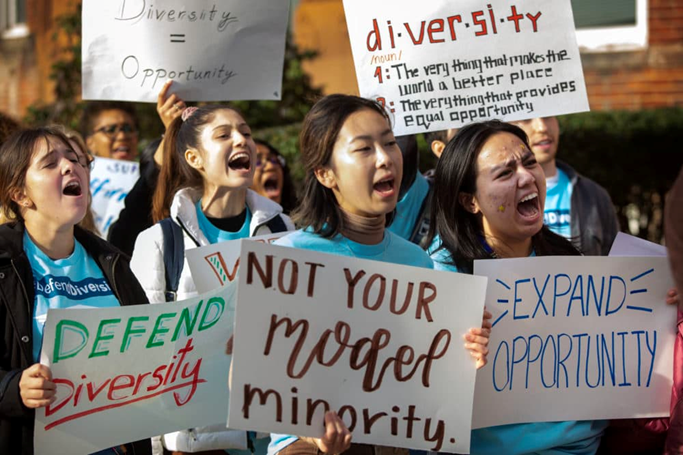
For many Asian American families, academic success is seen as essential for upward mobility. However, the expectations placed on students can become overwhelming, especially when combined with the racial bias that many encounter during the college admissions process. According to Ruiz et al. (2024), 58% of Asian Americans report experiencing racial bias, a figure that rises significantly among Korean immigrants and 1.5-generation Asian immigrants. Many Asian American students find themselves having to balance their cultural background with the pressure to succeed academically in an environment where discrimination can exacerbate identity crises.
A significant issue Asian American students face in college admissions is being judged based on stereotypes. Admissions committees often perceive Asian applicants as excelling in STEM fields (science, technology, engineering, and math) while lacking creativity or leadership potential. As a result, they may be overlooked for certain programs or dismissed as one-dimensional candidates. A study by Grossman et al. (2024) highlights how these stereotypes limit opportunities for Asian American students. As one student reflected, “No matter how hard I try to show my unique qualities, it feels like I’m always reduced to my grades and test scores.” This reinforces the internal struggle students face as they try to reconcile their personal goals with the expectations imposed by society.
Moreover, the higher academic standards imposed on Asian American students further contribute to unequal treatment in the admissions process. Asian students are often required to demonstrate superior test scores and academic achievements compared to their peers to be considered equally competitive. According to research conducted by Espenshade and Radford, Asian American applicants to selective colleges needed to score an average of 140 points higher on the SAT compared to white students to have the same chance of admission (Espenshade & Radford, 2009). This creates an uneven playing field, where many feel the pressure to outperform simply because of their race.
One example comes from a Korean mother who shared her son’s college application experience. Her son, who was accepted into Columbia University, chose to focus on his artistic talents, including singing and dancing, rather than following the more common narrative of academic excellence in math or science. Reflecting on his approach, she said, “My son’s ability to highlight his creative side allowed him to stand out from other Asian American applicants.” This story shows how admissions committees can sometimes have a narrow view of Asian American candidates, often overlooking the range of interests and talents present within the community.
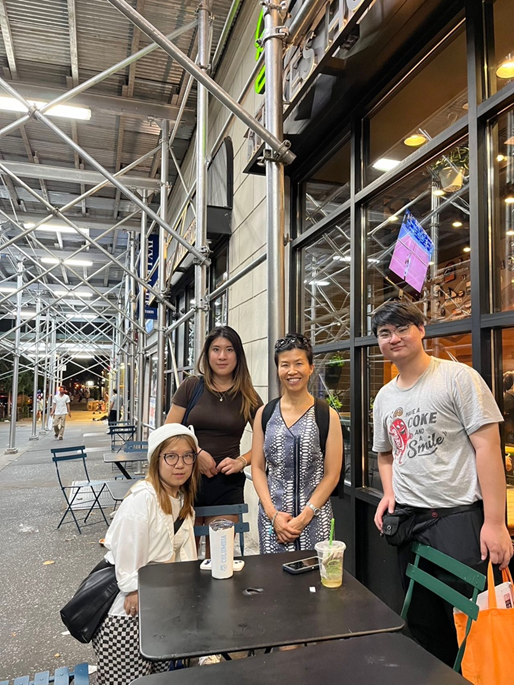
The discrimination faced by Asian American students in the admissions process is not just about racial bias—it’s about the systemic barriers that prevent them from being seen as whole individuals. One student remarked, “It doesn’t matter what else I do—whether I lead a club or write creatively— admissions committees still assumes I’m just another math or science Asian kid.”
Identity Crisis Among Asian American Youth
Many Asian American students face a deep identity crisis as they try to balance the expectations of their families with the cultural norms of American society. This crisis often stems from the pressure to embrace their ethnic heritage while simultaneously navigating an environment that expects them to assimilate into mainstream culture. For many, this creates a sense of being “in-between”, never fully accepted by either side.
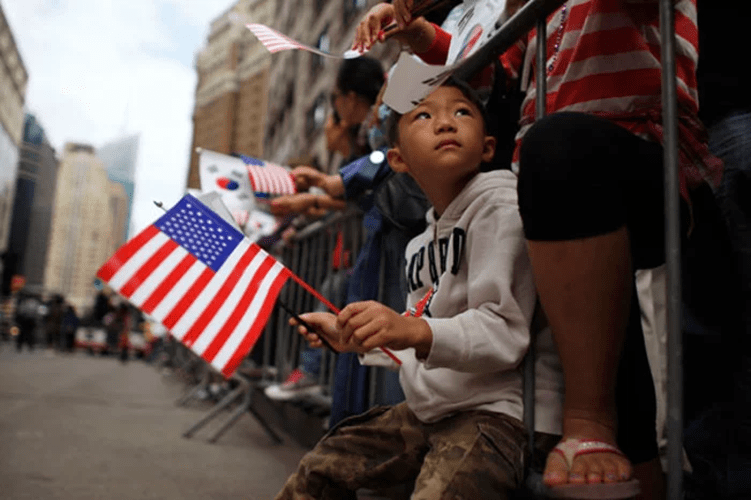
The story of Mary, an Asian American from Brooklyn, New York, reflects the internal conflict many students face. Growing up, Mary was often labeled by her family with terms like “Bamboo” and “Banana,” implying that while she appeared Asian on the outside, she wasn’t truly connected to her Asian heritage on the inside. These labels left her feeling disconnected from her own cultural identity, reinforcing the idea that she was somehow not “Asian enough.” As a result, Mary struggled with feelings of alienation and self-doubt, questioning her place in both her ethnic community and American society. She described her experience as “feeling like an outsider in both worlds,” a sentiment shared by many second-generation Asian Americans.
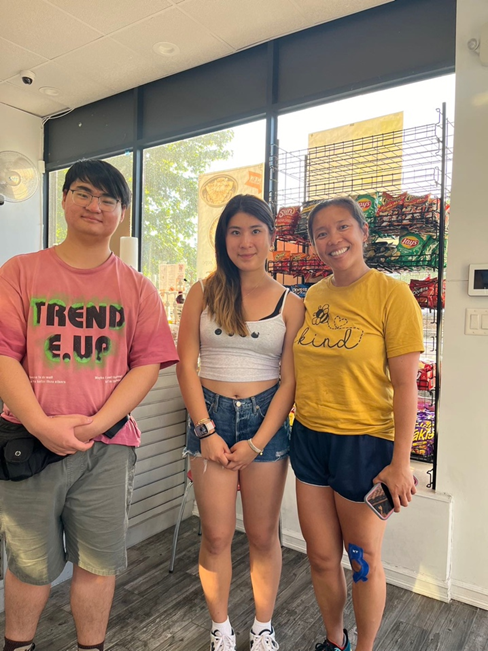
This internal conflict often leads to significant mental health challenges. The pressure to meet both family expectations and societal norms leaves students feeling emotionally exhausted. According to Ruiz et al. (2024), second-generation Asian Americans are particularly vulnerable to anxiety and depression as they struggle to reconcile their conflicting identities. For some, this emotional burden can lead to academic underperformance, as they feel overwhelmed by the expectations placed upon them by both their families and society.
Academic performance is another area where this identity crisis becomes evident. Many Asian American students feel torn between pursuing their personal interests and meeting the expectations of their families, who may emphasize traditional career paths such as medicine or engineering. One student remarked, “I’ve always been passionate about art, but I feel like I’ll disappoint my parents if I don’t follow the path they want for me.” This constant balancing act can lead to a lack of focus and motivation in school, further exacerbating feelings of isolation and stress.
The intergenerational gap between immigrant parents and their children often deepens this crisis. Parents, often unfamiliar with the cultural pressures their children face in the U.S., may unintentionally increase the emotional burden on their children. One youth expressed how her family’s expectations intensified her identity struggles: “I always felt like I wasn’t good enough, either for my family or for society.” Many Asian American students feel that their parents do not understand the complexities of their lives, leading to communication barriers and feelings of being misunderstood. “I love my family, but they just don’t get what it’s like for me here,” one student shared. This lack of understanding can heighten feelings of alienation and disconnect, further impacting both their mental health and academic success.
If these identity struggles are left unaddressed, they can escalate, leading students to feel increasingly isolated and disconnected from both their cultural heritage and the society they live in. The emotional toll of navigating these conflicting identities, combined with the pressures of academic success, can leave students feeling as though they are losing themselves in the process.
This situation is compounded by the lack of culturally relevant resources and available counseling in many schools and colleges. Most educational institutions and local community groups fail to provide the necessary support for Asian American students to address their cultural needs. Without access to counselors who understand the unique challenges they face, many students feel rejected and misunderstood. This gap in support further alienates them, reinforcing feelings of isolation and invisibility.
Subtle Prejudice and Microaggressions
While blatant acts of racism are often condemned, microaggressions—small, subtle, and often unintentional acts of exclusion—continue to affect Asian American youth on a daily basis. These interactions reinforce feelings of otherness and subtly remind individuals that they are not fully accepted into mainstream culture. Though less visible than hate crimes, microaggressions can be just as harmful, as their cumulative impact over time leads to deep emotional and social effects.
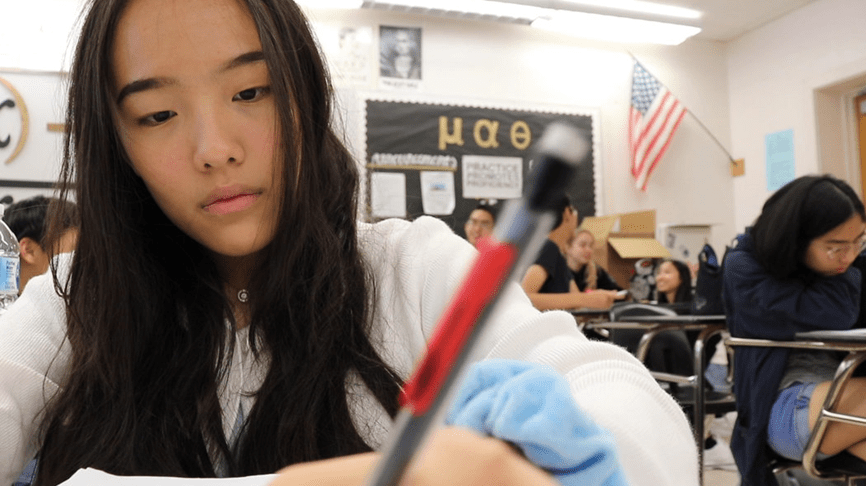
For many Asian American students, microaggressions frequently occur in school settings. In classrooms, their contributions are often overlooked or minimized due to stereotypes about their cultural identity. One student from New York City described how her input was regularly ignored during group projects, as classmates assumed she would only excel in math or science, rather than in creative or leadership roles. This limited her ability to explore other subjects and left her feeling boxed in by stereotypes. “It’s not always the blatant racism that hurts the most,” she shared. “It’s the little things that make you feel like you don’t belong.”
Microaggressions also occur outside of the classroom, such as in extracurricular activities. One Asian American student recalled an experience during a school sports event, where a coach assumed that because of her ethnicity, she wouldn’t be as athletic or capable as her peers. “I wasn’t even given the chance to prove myself,” she said. “They didn’t expect much from me because they didn’t see me as fitting the ‘athlete’ mold.” These subtle exclusions can have a profound effect on students’ self-esteem, leaving them feeling sidelined and misunderstood, even in non-academic spaces.
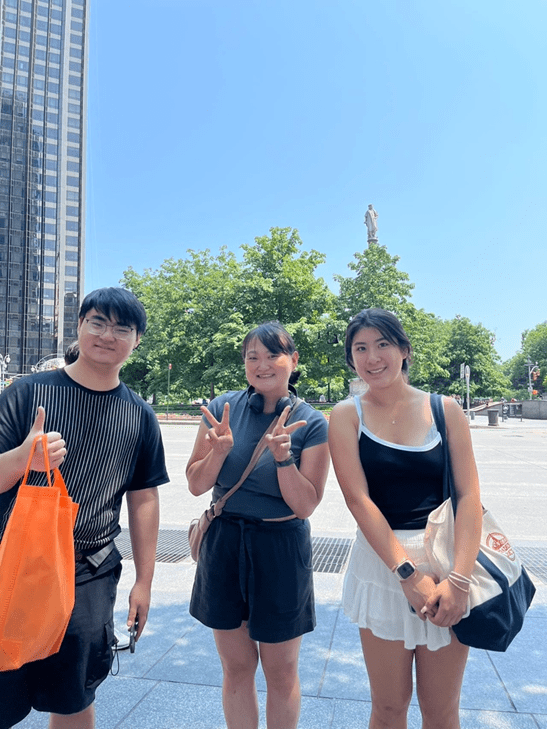
These experiences are common among Asian American youth across the country, who frequently face subtle forms of discrimination rooted in unconscious bias. Comments such as being complimented for speaking English “so well” or being asked, “Where are you really from?” might seem harmless, but they reinforce the notion that Asian Americans are perpetual outsiders, regardless of how long they or their families have lived in the U.S.
The cumulative effect of these microaggressions is a growing sense of isolation and alienation. Over time, Asian American students may begin to internalize these slights, leading to feelings of not truly belonging in either their ethnic community or broader American society. For many, the constant reminder that they are seen as “different” can lead to emotional exhaustion and a diminished sense of self-worth. This emotional strain often goes unnoticed by teachers and peers, further contributing to a student’s sense of invisibility.
One student described how these repeated microaggressions affected his sense of belonging at school. “Every time someone asked me where I was ‘really’ from or complimented me for not having an accent, it felt like a reminder that I didn’t fully belong here,” He said. “After a while, it became exhausting, and I started to avoid participating in class discussions or group activities because I didn’t want to deal with the stares or comments.” This growing sense of emotional exhaustion left him feeling increasingly isolated from his peers, leading to a reluctance to engage socially or academically.
The Role of Education, Media, and Future Strategies for Promoting Inclusivity
Two important strategies for addressing discrimination and promoting diversity for Asian Americans are through education and media. These two avenues shape the perceptions of young people and the broader public, and they play a critical role in creating a more inclusive society. By reforming the education system and fostering positive portrayals of Asian Americans in the media, we can help bridge the gap created by stereotypes and foster greater understanding.
·Education and Cultural Awareness
Schools are at the heart of shaping how young people perceive the world, and it’s crucial that cultural awareness is integrated into the curriculum. By learning about the experiences and contributions of Asian Americans, students can begin to dismantle the stereotypes that often define how they view others. For example, incorporating lessons about the historical challenges faced by Asian Americans, such as the Chinese Exclusion Act or the internment of Japanese Americans during World War II, can help build empathy and understanding among students. As Liu (2023) notes, fostering an appreciation for diversity in schools can also prepare students to live and work in a multicultural society.
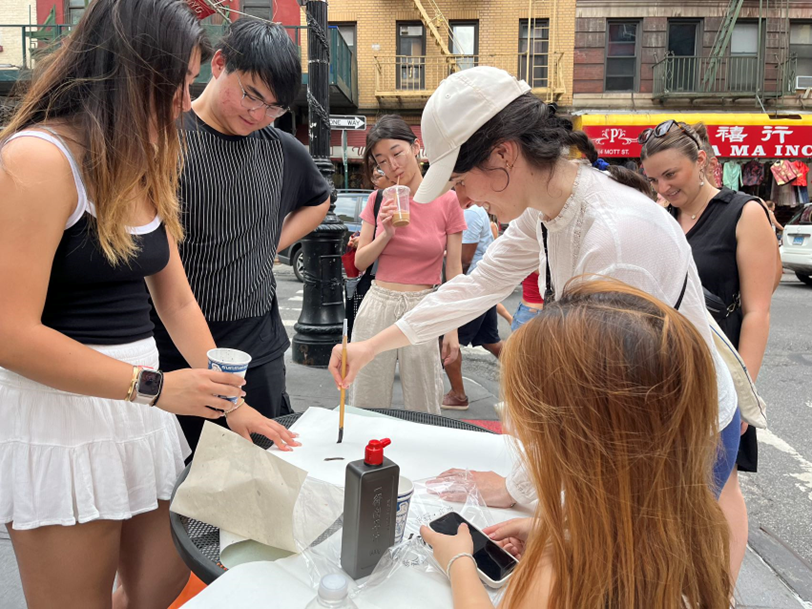
Moreover, schools must do more than just teach about cultural differences; they need to provide culturally competent resources to support Asian American students. For instance, offering support groups where students can talk about their challenges and providing interpreters for parents who may struggle with English would go a long way in ensuring that Asian American students feel supported during the college application process. These kinds of resources are vital for helping students and their families navigate the educational system while staying connected to their cultural backgrounds.
·The Role of Media in Shaping Public Perception
The media has an equally important role in shaping how the public views Asian Americans. Sanchez & Lee (2022) emphasize that positive representation in the media can challenge and overturn negative stereotypes, which often dominate narratives about Asian Americans. By showing the diversity and achievements within the Asian American community, media outlets can contribute to a more accurate and positive portrayal of this group.
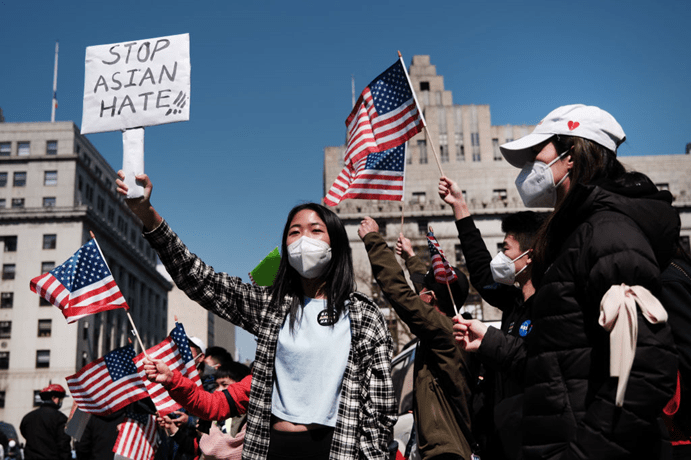
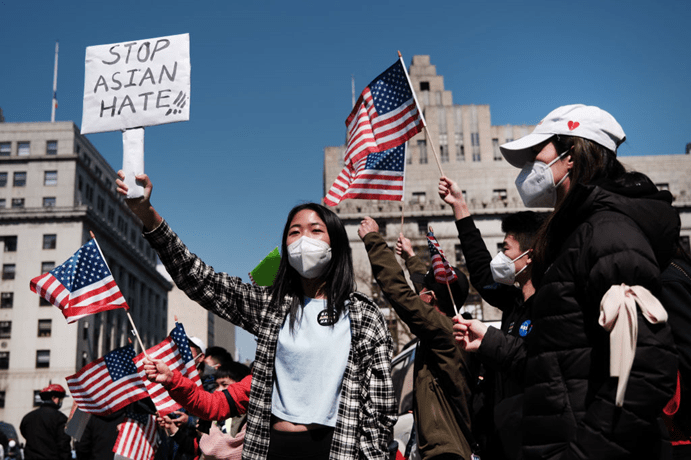
One area where this is particularly powerful is through social media. Platforms like Twitter and Instagram have provided Asian Americans with a space to share their personal experiences and challenge harmful narratives. For example, during the rise of anti-Asian hate crimes in the wake of the COVID-19 pandemic, movements like #StopAsianHate gained traction on social media, raising awareness and pushing for change. This movement brought widespread attention to the discrimination faced by Asian Americans and encouraged solidarity across different communities.
Additionally, the media has a responsibility to hold public leaders accountable for their statements, especially when those statements spread misinformation or fuel prejudice. The harm caused by such rhetoric can have lasting impacts on how Asian Americans are perceived, and the media must play an active role in countering these narratives by promoting truth and inclusivity.
·Recommendations for a More Inclusive Future
While the battle against prejudice is ongoing, there are concrete steps that can be taken to address the challenges faced by Asian American students:
1. Culturally Competent Support in Schools: Schools and community organizations should offer tailored resources for Asian American students, such as support groups and interpreters for non-English-speaking parents. This would help families navigate the college application process and ensure that students feel supported both academically and culturally.
2. Bias-Free Admissions Process: Colleges and universities must eliminate biases from their admissions processes. As mentioned in the student’s original research, Asian American applicants are often subject to unfair assumptions that they excel in math and science but lack creativity or leadership potential. Admissions committees need to recognize the full range of talents that these students bring to the table and stop reducing them to a set of stereotypes.
3.Mentorship Programs and Role Models: It’s also important to foster a sense of ethnic pride among Asian American students by encouraging them to see their heritage as an asset, not a limitation. Schools and colleges can promote mentorship programs where students are paired with role models who have successfully navigated the same cultural challenges. This kind of guidance can help students embrace their unique identity and use their experiences to contribute positively to society.
By implementing these strategies, we can create an environment where Asian American students feel empowered and valued for who they are, rather than being limited by stereotypes or bias. Education, media, and institutional support all have a role to play in shaping a more inclusive future for Asian American youth.
Conclusion
The challenges faced by Asian American youth—whether through discrimination in education, identity struggles, or microaggressions—highlight the need for greater awareness and institutional support. Addressing these issues requires a comprehensive approach that includes culturally competent resources, inclusive educational practices, and the promotion of positive representation in media. By recognizing the unique pressures and experiences of Asian American students, society can work toward creating an environment where they feel empowered to embrace both their heritage and aspirations.
References
Cheah, C. S. L., Wang, C., Ren, H., Zong, X., Cho, H. S., & Xue, X. (2020). COVID-19
racism and mental health in Chinese American families. Pediatrics, 146(5), e2020021816.https://doi.org/10.1542/peds.2020-021816
Gover, A. R., Harper, S. B., & Langton, L. (2020). Anti-Asian hate crime during the COVID-19 pandemic: Exploring the reproduction of inequality. American Journal of Criminal Justice, 45(4), 647-667. https://doi.org/10.1007/s12103-020-09545-1
Grossman, J., et al. (2024). The disparate impacts of college admissions policies on Asian American applicants. PubMed Central (PMC). https://www.ncbi.nlm.nih.gov/pmc/articles/PMC10891048/
Liu, S. (2023). The unconscious bias in urban environments: A case study of Asian discrimination in New York City. Journal of Urban Social Issues, 18(2), 45-63. https://doi.org/10.1234/jusi.2023.18205
Ruiz, N. G., et al. (2024, April 14). Asian Americans’ experiences with discrimination in their daily lives. Pew Research Center. https://www.pewresearch.org/2023/11/30/asian- americans-experiences-with-discrimination-in-their-daily-lives/
Sanchez, P., & Lee, H. (2022). Community resilience and the fight against discrimination: The role of organizations like SAYA. Journal of Community & Applied Social Psychology, 28(3), 207-221. https://doi.org/10.1002/casp.2620
The Harvard Gazette. (2023, October 10). A long history of bigotry against Asian Americans. Harvard Gazette. https://news.harvard.edu/gazette/story/2021/03/a-long-history-of- bigotry-against-asian-americans/
University of Central Florida. (2022, March 3). UCF expert provides insight through a brief history of Asian American racism. University of Central Florida News | UCF Today. https://www.ucf.edu/news/a-brief-history-of-asian-american-racism/
[1] Both authors contributed equally to this work.
 chinaglobaldialogue.com