Tornadoes and climate change: What a warming world means for deadly twisters and the type of storms that spawn them

John Allen, Central Michigan University The deadly tornado outbreak that tore through communities from Arkansas to Illinois on the night of Dec. 10-11, 2021, was so unusual in its duration and strength, particularly for December, that a lot of people including the U.S. president are asking what role climate change might have played – and whether tornadoes will become more common in a warming world. … Continue reading Tornadoes and climate change: What a warming world means for deadly twisters and the type of storms that spawn them

2021 Arctic Report Card reveals a (human) story of cascading disruptions, extreme events and global connections

Matthew Druckenmiller, University of Colorado Boulder; Rick Thoman, University of Alaska Fairbanks, and Twila Moon, University of Colorado Boulder The Arctic has long been portrayed as a distant end-of-the-Earth place, disconnected from everyday common experience. But as the planet rapidly warms, what happens in this icy region, where temperatures are rising twice as fast as the rest of the globe, increasingly affects lives around the … Continue reading 2021 Arctic Report Card reveals a (human) story of cascading disruptions, extreme events and global connections

How did Nanjing respond to river treatment issues in different policy periods? Taking the management of the Qinhuai River as an example.

By Ngai Yuxi, Dai Zhengtang, She Wanwan, Chen Qiaqia This is a “Doraemon” found by Qinhuai River in Nanjing rural area, not the omnipotent robotic cat, but an ordinary cat dyed blue by chemical wastes discharged by nearby dyeing factories. The little creature is a magnifying glass revealing a growing issue concerning the general natural environment, or specifically the water environment, in China. Many rivers … Continue reading How did Nanjing respond to river treatment issues in different policy periods? Taking the management of the Qinhuai River as an example.

“斗不过,躲还不行吗”——如何通过红外相机缓解大树脚村“人象冲突”?

作者:杨沐之 刘仲慷 徐浩真
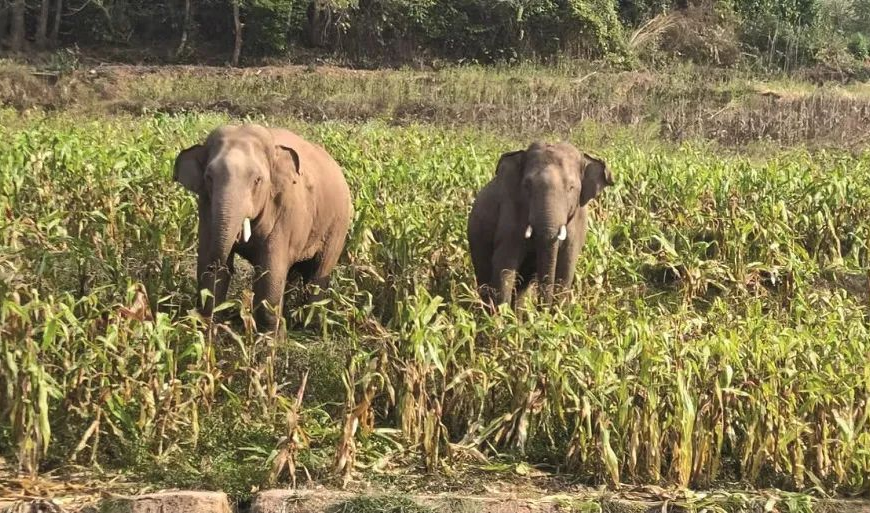
“象爷爷,你别全吃完,留着给我家小孩吃一点吧。”
一日饭后,杨姐讲起了大象吃庄稼的故事——云里看山,遍野的玉米地中“秃”了几块,格外显眼。杨姐来自云南大树脚村。在这里,大象随意吃农作物的事例,早已不胜枚举。 Continue reading “斗不过,躲还不行吗”——如何通过红外相机缓解大树脚村“人象冲突”?

River Management——A Phoenix Reborn in Nanjing, China

By Huang Binrui, Li Yang, Mi Renzhi, Yang Shuo

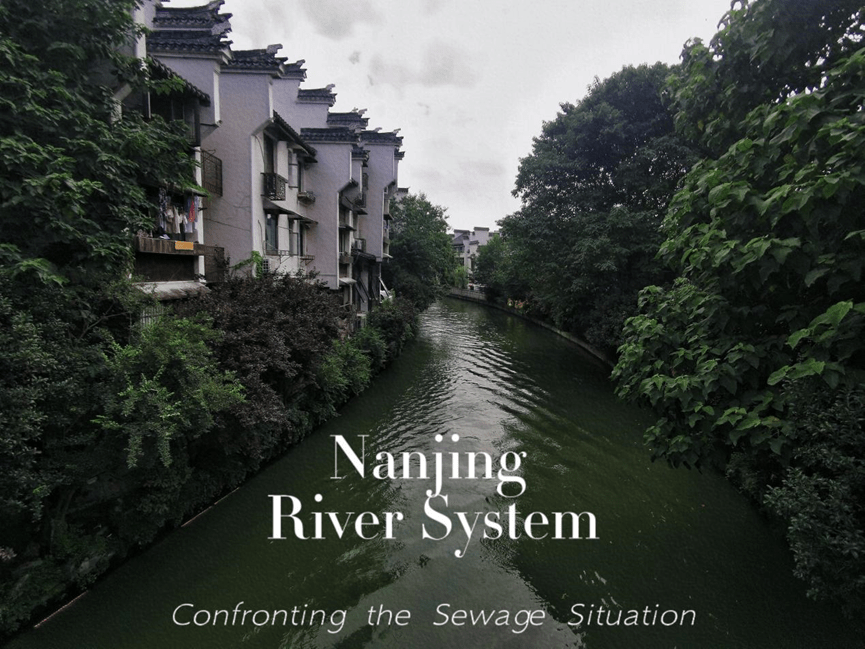
Many Nanjing citizens may still remember such a view: when walking along the rivers in several residential areas in Nanjing, people had to cover their noses. Taking a close look at the rivers, many refuse collection stations were emitting dreadfully black liquid directly into the river, producing a horrible and disgusting smell. The view was easily seen before 2015. Back then, not only Nanjing was facing poor river quality and management, but many other cities in China were confronting the management problem of black-odor rivers. Fortunately, such a view is rarely seen in Nanjing now. Instead, now Rivers are cleaner and the landscapes are more eco-friendly; near the riverside, many elderly citizens chat with each other when doing some exercises every morning; intimate couples walk their dogs here together with smiles on their faces. You may wonder: how did the change occur? To be more specific, what technical methods and policies were carried out in Nanjing in so short a period from 2015 to 2021 to accomplish this feat? Continue reading River Management——A Phoenix Reborn in Nanjing, China