
By Chunhei Violet Chan
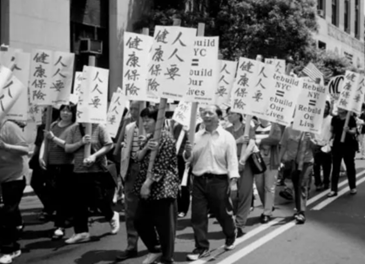
New York has one of the highest concentrations of both migrant and undocumented workers in the country, many of whom are from Asian countries, contributing millions to various sectors of the economy.
Migrant workers are individuals who move from one country to another seeking better economic opportunities. According to recent estimates, there are approximately 29.5 million foreign-born workers in the United States, representing a substantial portion of the labor force.According to recent estimates, there were approximately 11 million undocumented immigrants in the United States in 2017.
There is a sharp contrast between the “model minority” ideal often associated with Asians and the current state of many Asian American migrant workers. Historically, Asian Americans have been categorized as a successful group that flourishes through their work ethic and high levels of education.
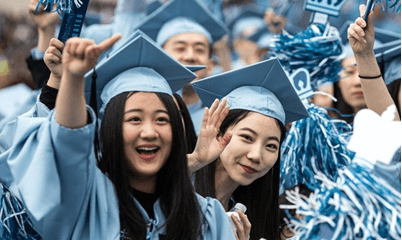
However, a study conducted by the Pew Research Center reveals that Asian Americans have the highest wealth disparity among all groups in the US. While media and society often highlight the achievements of the top percentiles of Asian American excellence, the struggles of Asian American migrant workers are frequently overlooked.
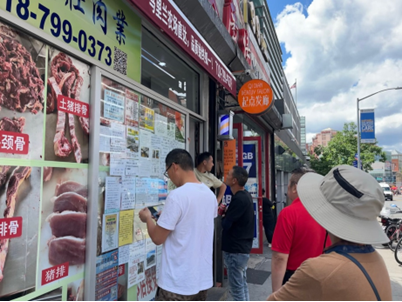
Many migrant workers lack job permits and permission to stay in the country, leading to long work hours with little pay, limited job opportunities, and insufficient legal protection. Despite their significant contributions, these workers encounter numerous challenges exacerbated by factors such as language barriers, lack of educational qualifications, and legal status, which restrict their employment options and expose them to exploitation.
Extended Work Hours and Inadequate Compensation
Asian migrant workers in New York often face the daunting challenge of working excessively long hours for minimal compensation. This issue is exacerbated by several socio-economic factors, including the recent influx of Asian Americans and the high cost of living in New York City.
The sudden increase in the supply of labor, particularly from Asian migrant workers, has intensified competition for jobs, forcing many into positions that require extended hours with inadequate pay. New York’s high living expenses further compel workers to accept these demanding jobs as they struggle to make ends meet.
For instance, a “Xiong Mao Wai Mai (熊猫外卖)” delivery worker in Flushing, New York, mentioned that neighborhood restaurants typically pay around $2,000 a month. Before the influx of labor into the market in 2023, pay was slightly higher, at approximately $3,000 to $3,500. These figures are significantly lower than the official median household income of $62,776 in Flushing as of 2021, highlighting the disparity faced by these workers.
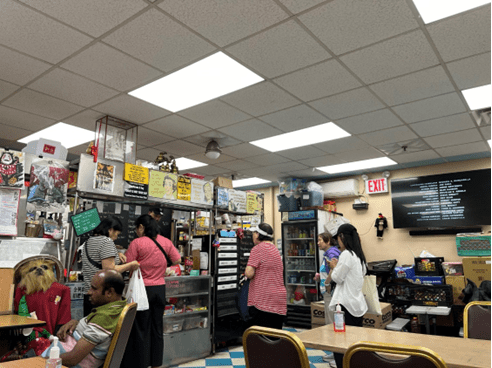
Home attendant workers are particularly exploited, often working long hours with insufficient pay. Vincent Cao of the Chinese Staff and Workers Association explained that due to the 13-hour law in New York, home healthcare attendants who clock in for 24 hours can be paid for only 13 hours of labor, provided they are given 8 hours of sleep and 3 hours of meal breaks. However, these breaks are frequently omitted, resulting in workers being compensated for just over half of their working hours. Employers, such as the Chinese American Planning Council (CPC), exploit this law to require workers to work 24 hours while only paying for 13.
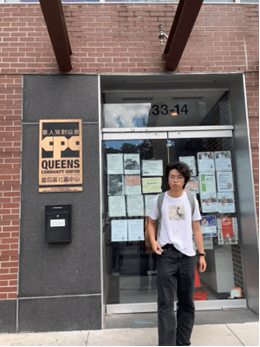
The overwork and underpayment severely impact the physical and mental health of Asian migrant workers. A poignant example is Mrs. Lai, who worked as a caretaker for over two decades. Her relentless 24-hour work schedule without adequate rest led to numerous health issues, including severe joint pain and chronic insomnia. The physical toll of her job was compounded by the emotional strain of being unable to build a healthy relationship with her children. The long hours prevented her from spending quality time with her family, resulting in a strained and difficult relationship with her kids. Moreover, Mrs. Lai has been suing the agency she worked for nearly 10 years, seeking justice and fair compensation. Unfortunately, her legal battle has yielded no results, demonstrating the challenges workers face in seeking justice.
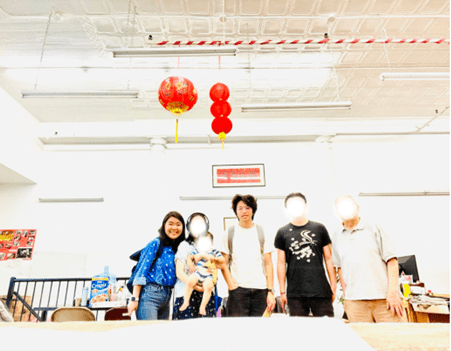
Organizations like the Chinese Staff and Workers Association (CSWA) are actively working to address these issues by advocating for better wages and working conditions. They provide support to workers and push for policy changes that would offer greater protection and fair compensation for all hours worked. Legal and policy initiatives, such as revising the 13-hour law to ensure fair pay for all working hours, are essential steps toward improving the working conditions of Asian migrant workers.
Restricted Employment Opportunities
Asian migrant workers in New York often face limited job options due to various barriers. These restrictions reduce their employment opportunities and frequently push them into informal, low-paying jobs.
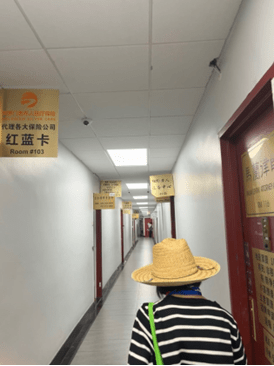
Several factors contribute to the limited work categories faced by Asian migrant workers:
- Language Barriers: Many migrant workers lack proficiency in English, limiting their job opportunities to ethnic enclaves where English is not essential. This restricts their access to diverse industries requiring effective English communication.
- Legal Status and Documentation: Undocumented immigrants face legal barriers preventing formal employment, forcing them into informal jobs without labor protections, making them vulnerable to exploitation.
- Economic Factors: Economic instability or lack of job opportunities in their home countries, coupled with the high cost of living in New York, compel many to accept low-wage jobs to survive. Many workers shared with the author, “just take any job you can get and survive, eat food, and pay your rent,” reflecting the urgent need to meet basic living expenses.
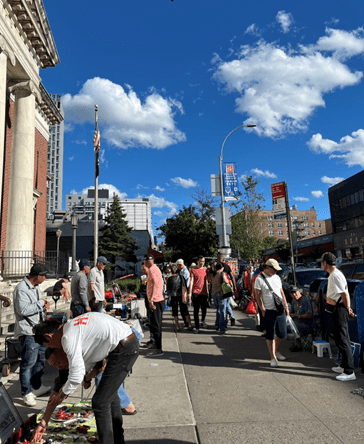
Many undocumented Asian American immigrants end up working in industries such as restaurants, nail salons, and massage parlors, primarily located in Chinese neighborhoods like Flushing and Chinatown. When the author pretended to be an illegal immigrant searching for a job, I was frequently told by others with similar backgrounds to seek employment in these industries. A common piece of advice was, “Learn how to do nails; it’s the quickest way to earn money. And if you want to earn more, you can go for massage work. Don’t mind that this is not a decent job.”
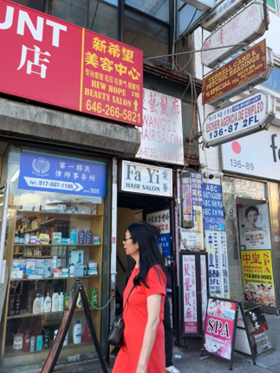
The informal nature of these jobs means that workers are often paid under the table, without access to healthcare or legal protections. For example, a restaurant worker in Flushing may find themselves working long hours for minimal pay, with no benefits or job security. Similarly, workers in nail salons and massage parlors may face grueling work conditions with little to no legal recourse for mistreatment.
Reliance on informal jobs leads to several issues for Asian migrant workers. Without healthcare, untreated health problems can become long-term. Lack of legal protection makes them vulnerable to exploitation. Economically, the oversupply of labor drives down wages, making it hard to earn a livable income. Socially, these workers have little opportunity for advancement, trapping them in low-paying jobs and creating economic insecurity that affects their families and communities.
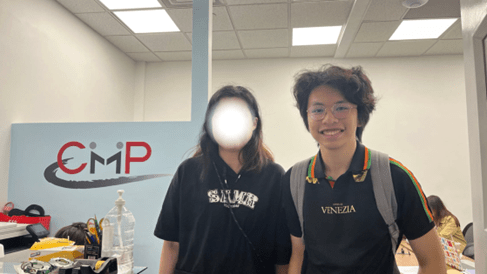
Organizations like Chinatown Manpower Project (CMP)are working to address these challenges by providing educational programs aimed at improving English literacy, offering vocational training, and facilitating career advancement. CMP offers employability asset-building, career development services, and entrepreneurial assistance to help new immigrants and first-time job seekers enhance their skills and job prospects. These initiatives are crucial in helping migrant workers expand their job opportunities beyond the confines of their ethnic enclaves. By obtaining GEDs and other educational qualifications, these workers can open themselves to a broader range of job opportunities throughout New York City.
Insufficient Legal Safeguards
One of the significant challenges faced by Asian migrant workers in New York is the lack of legal protections. This vulnerability leaves them open to exploitation and abuse, with little recourse to seek justice.
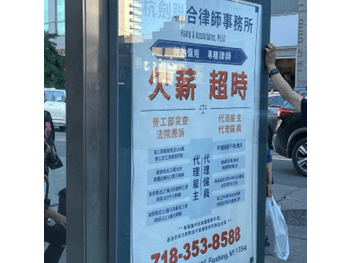
Many undocumented workers fear seeking legal assistance because of the risk of deportation. Employers exploit this fear, knowing these workers are unlikely to report mistreatment, which creates a significant barrier to seeking legal help.
Moreover, when workers do attempt to seek legal protection, they often find themselves at a disadvantage. Larger corporations and employers possess significant resources, giving them an upper hand in legal battles. Many employers use arbitration agreements to avoid legal consequences, further complicating legal processes and making it difficult for workers to gain compensation.
According to the chairman of CSWA, some employers deliberately stall legal proceedings, change their official names, or engage in other deceptive practices to evade accountability. Employment agencies, such as the Chinese American Planning Council, hold considerable power over individual workers, making it difficult for these workers to gain legal compensation.
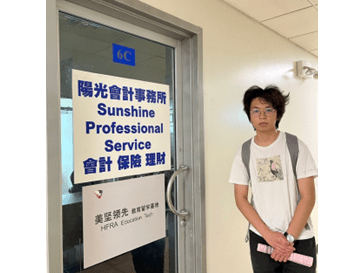
A particularly troubling practice involves job employment agencies cooperating with farms to exploit workers. These agencies charge workers for job placements, then fire them after a short period for any reason, only to introduce the same positions to new workers. Mr. Liang, a street vendor in Flushing, described how these agencies provide false promises of employment, colluding with out-of-state ranches and farms to send workers away and then refusing to pay them. A community leader explained that these agencies operate like mafia, threatening to report workers to the police if they complain. This labor ring, reminiscent of mafia activities, sees Chinese Americans defrauding other Chinese Americans, fostering toxicity and mistrust within the community, and perpetuating a cycle of exploitation and fear.
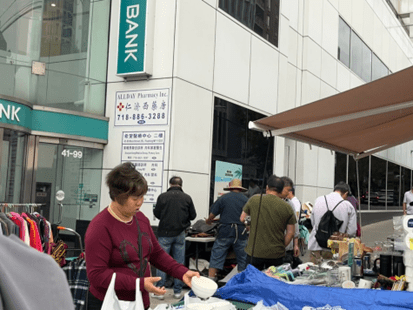
Another worker expressed his disillusionment: “I thought the USA was all about gold, and dollars could be earned easily. But after I came here, I realized what a lie that was. I want to stay, but I don’t have a decent salary to support myself. I want to leave, but I have so much debt just for the money I paid to come to the USA.”
The lack of legal protections has severe consequences for Asian migrant workers. Without the ability to seek justice, they are vulnerable to ongoing exploitation and abuse, leading to stress, mental health issues, economic instability, and a pervasive sense of powerlessness. Personal stories from the community highlight the financial, physical, emotional, and social tolls of living without legal security. A driver in Flushing shared with the author: “Don’t think about families, friends who need my help or I need to support them, but just for your own sake. Don’t forget that in the US, what is not rare is that people with depression. So, just take it easy on yourself.”
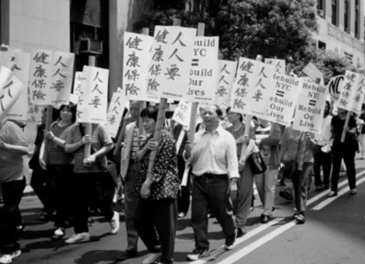
The Asian American Legal Defense and Education Fund (AALDEF) is working tirelessly to address these issues. Through its Economic Justice for Workers program, AALDEF provides legal representation, policy advocacy, and community education to protect the rights of Asian American workers and ensure fair treatment in the workplace. By advocating for stronger labor laws and offering legal assistance to those in need, AALDEF aims to create a more equitable system for all workers.
Conclusion
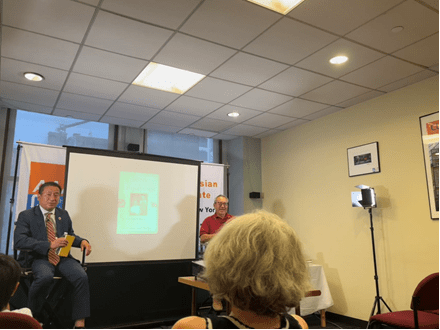
The experiences of Asian American migrant workers in New York reveal significant challenges and remarkable resilience. William Gee Wong’s story, shared at the Asian American/Asian Research Institute, encapsulates this perseverance. His father navigated exclusion laws to immigrate, reflecting the determination that persists among today’s migrant workers. Wong’s own journey from Chinatown to a successful journalism career highlights the potential for success despite adversity.
Throughout this research, it became evident that many migrant workers face long hours, low wages, and limited job opportunities due to language barriers, lack of formal education, and legal vulnerabilities. Despite these challenges, many organizations and community members work tirelessly to provide legal support and advocate for fair treatment.
Wong’s narrative underscores the importance of continued advocacy and support. Ensuring a just and equitable future for all migrant workers requires ongoing efforts to address systemic issues and empower these resilient individuals. By supporting educational initiatives and advocating for stronger legal protections, we can help Asian American migrant workers achieve their full potential and secure their rightful place in society.
References
Flushing, Queens, NY Demographics. (n.d.). Point 2 Homes. Retrieved June 10, 2024, from https://www.point2homes.com/US/Neighborhood/NY/Queens/Flushing-Demographics.html
Lawsuit Against NYSDOL On Behalf of 24-Hour Home Care Workers Moves Forward. (2024, January 25). National Center for Law and Economic Justice. Retrieved June 10, 2024, from https://nclej.org/low-wage-workers-highlights/lawsuit-against-nysdol-on-behalf-of-24-hour-home-care-workers-moves-forward
Ruiz, N. G., Tian, Z., & Greenwood, S. (2024, March 27). The Hardships and Dreams of Asian Americans Living in Poverty. Pew Research. Retrieved June 10, 2024, from https://www.pewresearch.org/race-and-ethnicity/2024/03/27/the-hardships-and-dreams-of-asian-americans-living-in-poverty/
Siegal, R., & Simmons-Duffin, S. (2017, March 17). How Did We Get To 11 Million Unauthorized Immigrants? NPR. Retrieved June 10, 2024, from https://www.npr.org/2017/03/07/518201210/how-did-we-get-to-11-million-unauthorized-immigrants
Tucker, R. M. (2019, may 28). New York High Court Upholds 13-Hour Rule for Paying Live-in Aides. SHRM. Retrieved June 10, 2024, from https://www.shrm.org/topics-tools/employment-law-compliance/new-york-high-court-upholds-13-hour-rule-paying-live-aides.
About Us – Ain’t I a Woman?! (n.d.). Retrieved June 10, 2024, from https://www.aintiawoman.org/
 chinaglobaldialogue.com