What is the Current Public Health Situation in Kashgar Rural Areas?

By Jiaxin Cai, Haonan Gong, Hanfei Cao, Runjia Tian, Xunrui Zhang
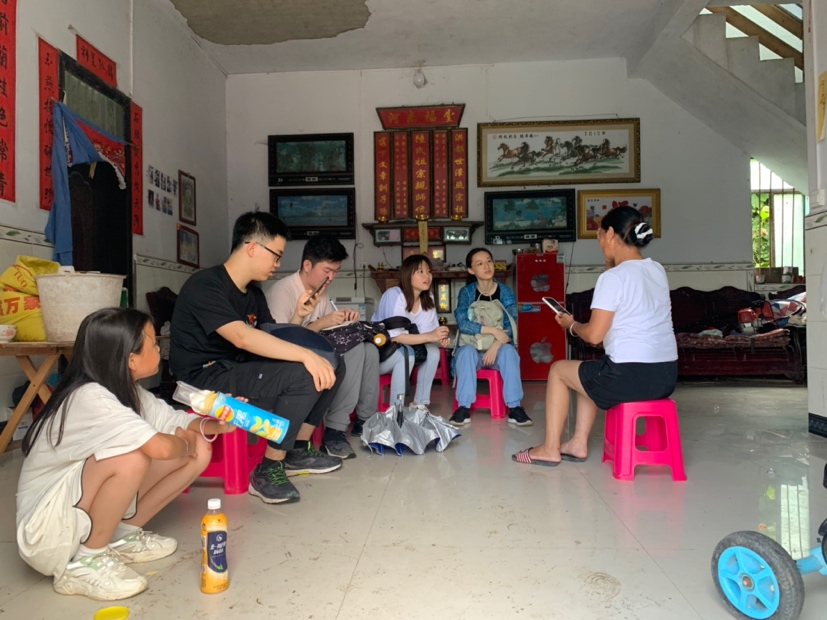
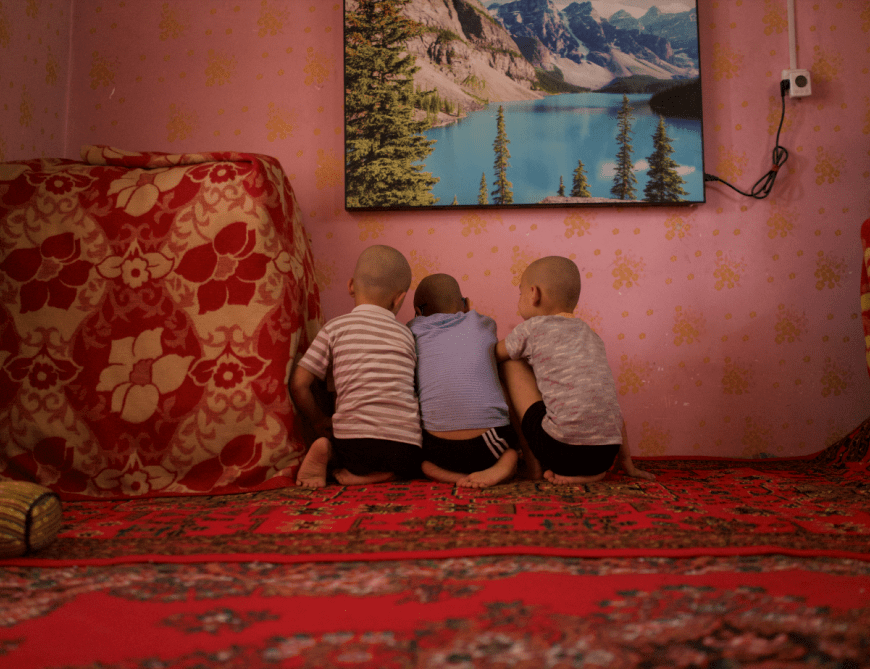
“Every household in the village has land to grow grapes and pomegranates. As long as they have enough labor force to plant and sell, they will not be poor. But some families are poor because of illness. The lack of labor will always result in low economic income.” Said a staff member at the Shenzhen Counterpart Support Xinjiang(Kashgar) Social Work Station. Continue reading What is the Current Public Health Situation in Kashgar Rural Areas?

Xinjiang Traditional Culture: Not “Genocide”, but “Change & Transition”

By Xuan JIN
In recent years, many Western media have claimed that China has executed “cultural genocide” in Xinjiang, and that Uyghur culture is in danger of “extinction”. The Chinese government, by contrast, argues that Uyghur culture is well preserved and there is no suggestion of “extinction”. Continue reading Xinjiang Traditional Culture: Not “Genocide”, but “Change & Transition”

Women’s Economic Empowerment by Tourism at Ban Wan Village

By Sijie Chen and Xingjian Ren
In China, minority women are facing serious economic problems. They often suffer from lack of local jobs with sustainable incomes. In Xinjiang in 2018, minority women’s employment rate is 32.1%. For national minorities in Southwestern China especially in Yunnan Province, the circumstance is similar: minority women’s employment rate is low. Even if they are to find a job, without local job opportunities, they can only find jobs outside of the village in cities and towns. Continue reading Women’s Economic Empowerment by Tourism at Ban Wan Village

How does economic development contribute to the development for left behind children in rural areas?

By Zhao Qianqian
Nurturing and responsive parenting is essential to a child. As Parenting NI suggested, “parent involvement and intervention in the child’s day-to-day life lay the foundation for better social and academic skills.” Father and mother’s attitudes toward discipline, food, and hygiene can directly impact the behaviors of children. Continue reading How does economic development contribute to the development for left behind children in rural areas?

公益组织通过传媒帮助少数民族弱势群体的现状与未来

作者:郝悦  李佳玥  沈伟杰  王圣筌  徐瑞阳(按拼音首字母排序 排名不分先后)
于一个窗口,让房子外面的人看到里面。”深喀社工站的站长这样形容传媒的作用。喀什位于南疆,92.56%的人口是维吾尔族人。由于历史发展等许多原因,喀什曾经在经济、教育、医疗等许多方面面临严峻挑战。近年来,政府、企业、公益组织等在当地开展了大量工作,极大地改善了当地人的生活。
Continue reading 公益组织通过传媒帮助少数民族弱势群体的现状与未来