Sticky post

甘肃省暖水村化肥使用现状

方祈安、姜日星、金成易、陈佳合(排名不分先后)

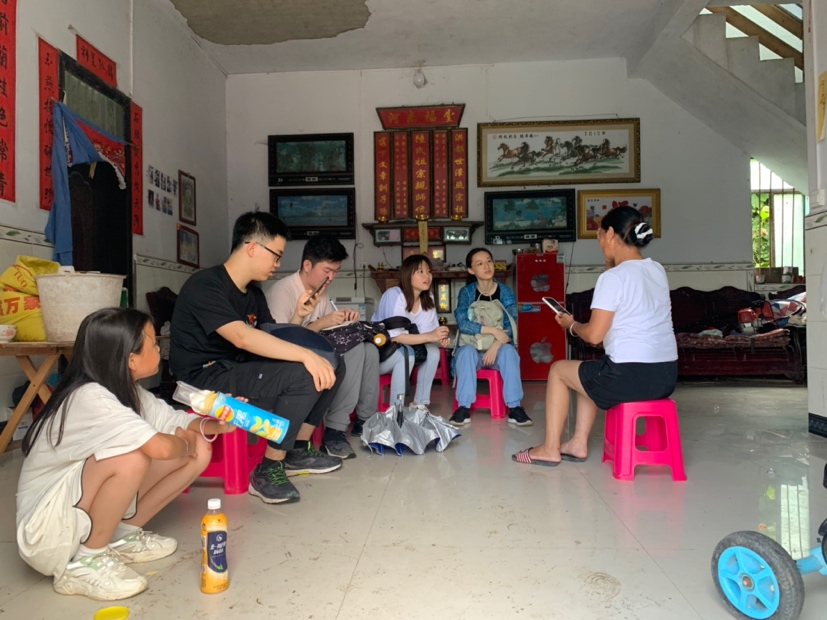
暖水村,坐落于甘肃省武山县西南部。这里水源充沛,茂林成荫,牛羊成群。全村共有219户,合1032人,其中有70余户家庭为种植户。当地村民多为妇女和老人,以种植为生,青壮年多选择外出务工,获得经济收入。由于地处山顶,海拔较高,当地种植作物的种类受到限制,主要种有油菜700余亩、小麦600余亩、苦荞约180亩,人们日出而作,日落而息。

Continue reading “甘肃省暖水村化肥使用现状”

世界各地的少数民族是如何进行文化传承的?

作者:黄雨瑄、梁好、周琛佶

“人类的集体文化遗产不仅包括许多人都听说过的重要遗址,还包括众多独特的少数民族文化。在下个世纪,世界上 50% 到 90%的语言都将消亡,其中大部分都是少数民族语言。如果现在不采取行动,我们的子孙后代将再也无缘看到世界文化的多样性。”来自少数群体权利国际组织(Minority Group International)的政策和传播总监索德伯格强调说。

在世界范围内,少数民族群体占全球总人口的6.2%。这里所指的少数民族群体是某地区最初定居的族群,也被称作“原住民”。他们是世界文化多样性的重要组成部分。

Continue reading “世界各地的少数民族是如何进行文化传承的?”

Women’s Economic Empowerment by Tourism at Ban Wan Village

By Sijie Chen and Xingjian Ren
In China, minority women are facing serious economic problems. They often suffer from lack of local jobs with sustainable incomes. In Xinjiang in 2018, minority women’s employment rate is 32.1%. For national minorities in Southwestern China especially in Yunnan Province, the circumstance is similar: minority women’s employment rate is low. Even if they are to find a job, without local job opportunities, they can only find jobs outside of the village in cities and towns. Continue reading Women’s Economic Empowerment by Tourism at Ban Wan Village

公益组织通过传媒帮助少数民族弱势群体的现状与未来

作者:郝悦  李佳玥  沈伟杰  王圣筌  徐瑞阳(按拼音首字母排序 排名不分先后)
于一个窗口,让房子外面的人看到里面。”深喀社工站的站长这样形容传媒的作用。喀什位于南疆,92.56%的人口是维吾尔族人。由于历史发展等许多原因,喀什曾经在经济、教育、医疗等许多方面面临严峻挑战。近年来,政府、企业、公益组织等在当地开展了大量工作,极大地改善了当地人的生活。
Continue reading 公益组织通过传媒帮助少数民族弱势群体的现状与未来

Exploring a ‘Humanitarian Prescription’ for Pneumoconiosis

By Wanmi Sui, Jinming Qi, Yuhan Sun, Chi Zhang

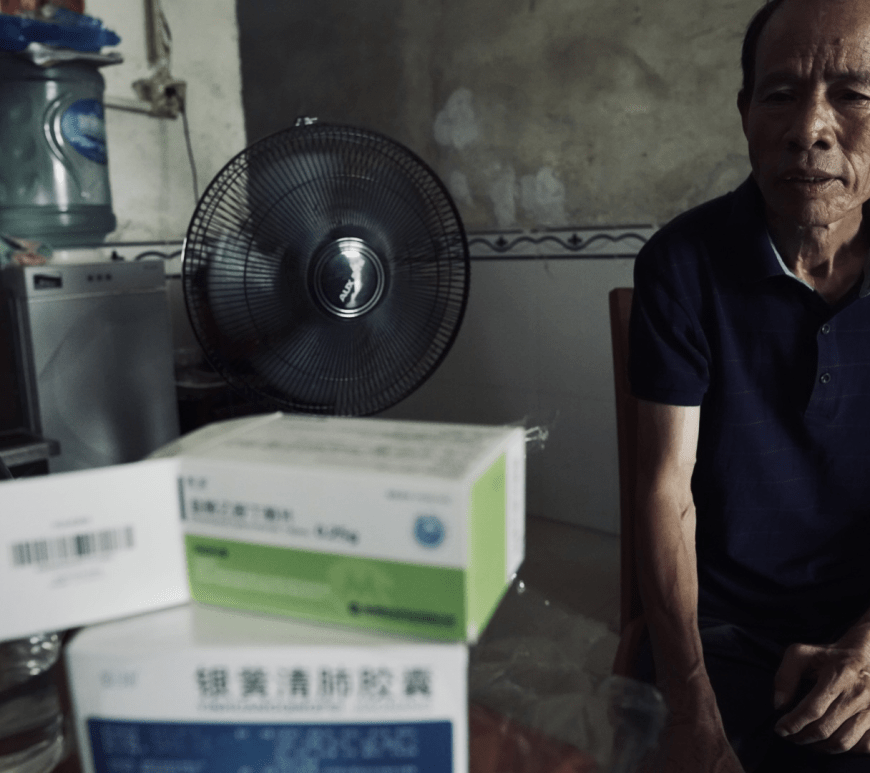
Pingxiang has transformed itself from an underdeveloped and agricultural-dependent village into a relatively strong economic power. It has experienced rapid social and economic growth that once allowed Pingxiang to become a prosperous city during the mid-20th century. In the 1950s, Pingxiang exploited its mining resources to the largest extent while turning the city into a leading iron, steel, chemical, and machinery industry. [1] Because of the excessive favor on capital over labor, the mining sector has witnessed the rise of a severe and irreversible occupational risk——pneumoconiosis. The lucky majority of the population naturally enjoy the astonishing development; what we forget is those who truly devoted all their youth, efforts, and dedication. They are the ones that are suffering because of the prosperity; they are the epitome of Pingxiang’s broken past, the neglected minority that is doomed to be disregarded. Continue reading Exploring a ‘Humanitarian Prescription’ for Pneumoconiosis