Digital sound archives can bring extinct birds (briefly) back to life

Hannah Hunter, Queen’s University, Ontario When people think of extinct animals, they may picture taxidermy, skeletons, 19th-century illustrations or perhaps grainy black-and-white photographs. Until very recently, these were our only ways to encounter lost beings. However, technological advances are making it possible to encounter extinct species in new ways. With a few clicks, we can listen to their voices. In September 2021, the U.S. Fish … Continue reading Digital sound archives can bring extinct birds (briefly) back to life

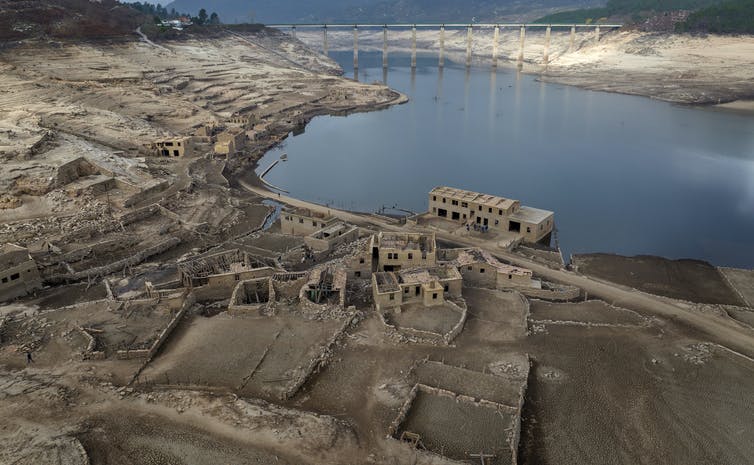
IPCC report: Half the world is facing water scarcity, floods and dirty water — large investments are needed for effective solutions

Balsher Singh Sidhu, University of British Columbia More than half the world’s population faces water scarcity for at least one month every year. Meanwhile, some people have to deal with too much water, while others have access to only poor water quality. That’s billions of people living with drought in Africa and India, facing flood risks in Bangladesh or lacking clean water due to excessive … Continue reading IPCC report: Half the world is facing water scarcity, floods and dirty water — large investments are needed for effective solutions

Data from thousands of surveillance cameras confirms that protected areas safeguard species diversity

Cheng Chen, University of British Columbia and Cole Burton, University of British Columbia We have entered what some scientists refer to as Earth’s sixth major extinction. Human disturbances, such as over-harvesting of crops, habitat destruction and invasive species, are the biggest drivers of biodiversity loss. Some studies estimate that the current species extinction rate is 1,000 times the normal background rate. One of the most … Continue reading Data from thousands of surveillance cameras confirms that protected areas safeguard species diversity

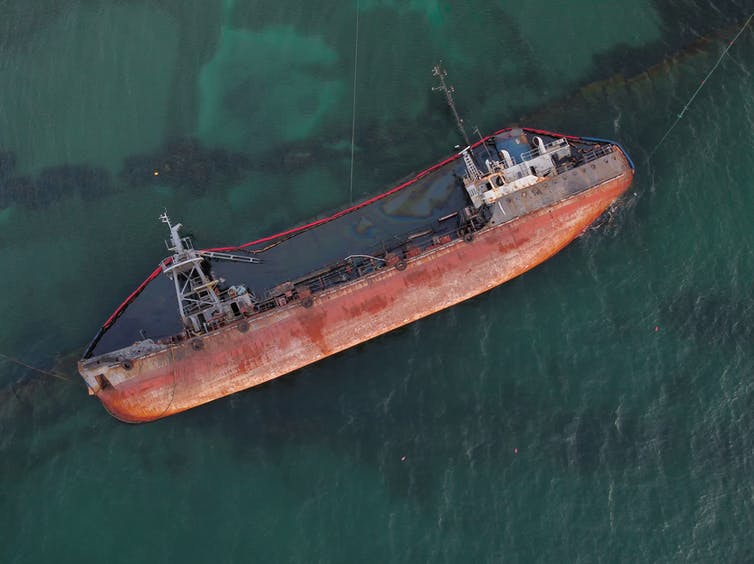
How autonomous underwater robots can spot oil plumes after an ocean spill

Neil Bose, Memorial University of Newfoundland and Jimin Hwang, University of Tasmania On April 20, 2010, the offshore oil rig Deepwater Horizon exploded, burned, sank in the Gulf of Mexico and terrified the world. This horrific accident — recorded as the largest oil spill in history — killed 11 workers and released 210 million gallons of crude oil into the ocean. While about a half … Continue reading How autonomous underwater robots can spot oil plumes after an ocean spill

Canada needs to cut carbon, not try to capture it

Jason MacLean, University of New Brunswick When the federal government released the budget in April 2021, it proposed creating a new tax credit for private firms that make investments in carbon capture, utilization and sequestration projects. But in January, shortly after the consultation period closed, more than 400 Canadian climate scientists, academics and energy system modellers urged the government to cancel its plan. The letter … Continue reading Canada needs to cut carbon, not try to capture it